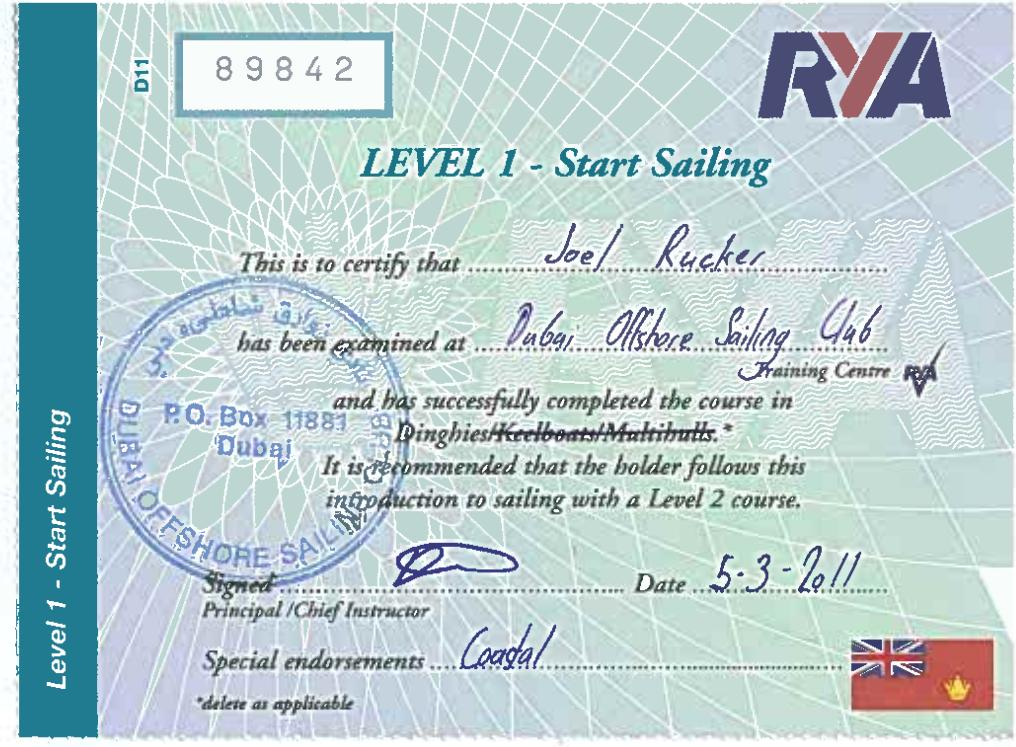
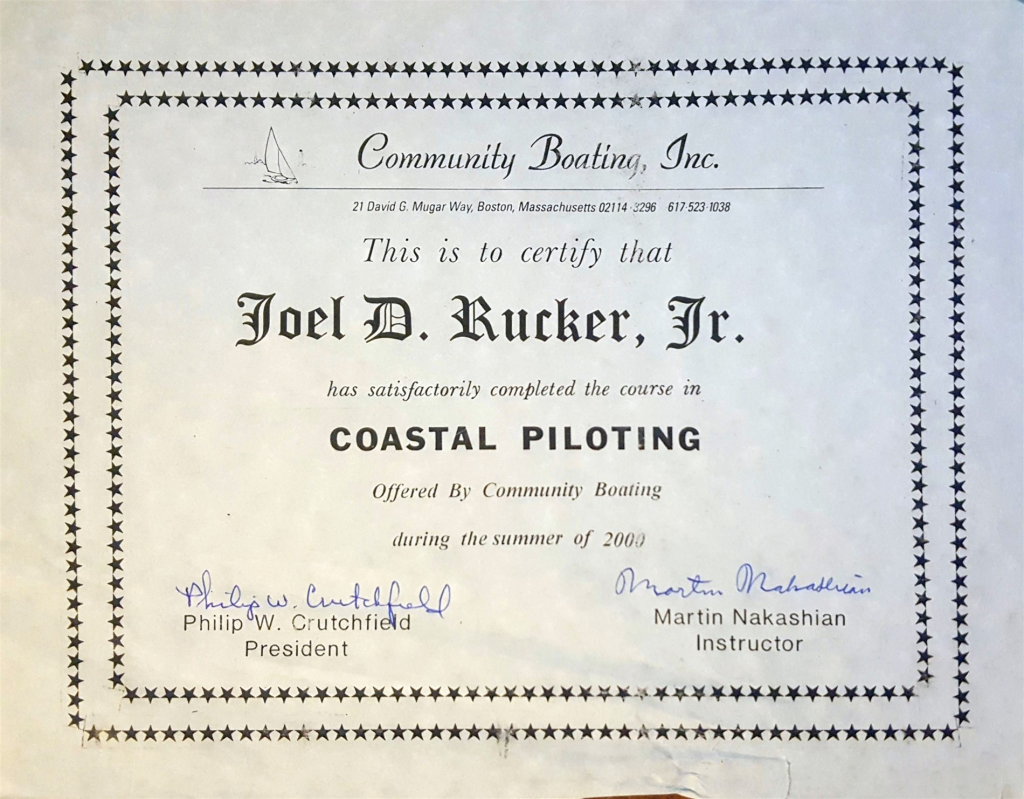
Even though we’re in Texas, the weather conditions do not leave us tempted to sail out on the water between November and February — so this excursion in the middle of March is my first time out this year. This was well anticipated, because my last-minute plans to head out the week prior were dashed due to lack of boat availability (Spring Break I think). So one week out, I had a full crew of 2 couples plus myself as skipper. But I failed to take into consideration St. Patrick’s Day, which, since it was the day before the scheduled charter, ended up putting 1 of 2 couples out of commission 🙂
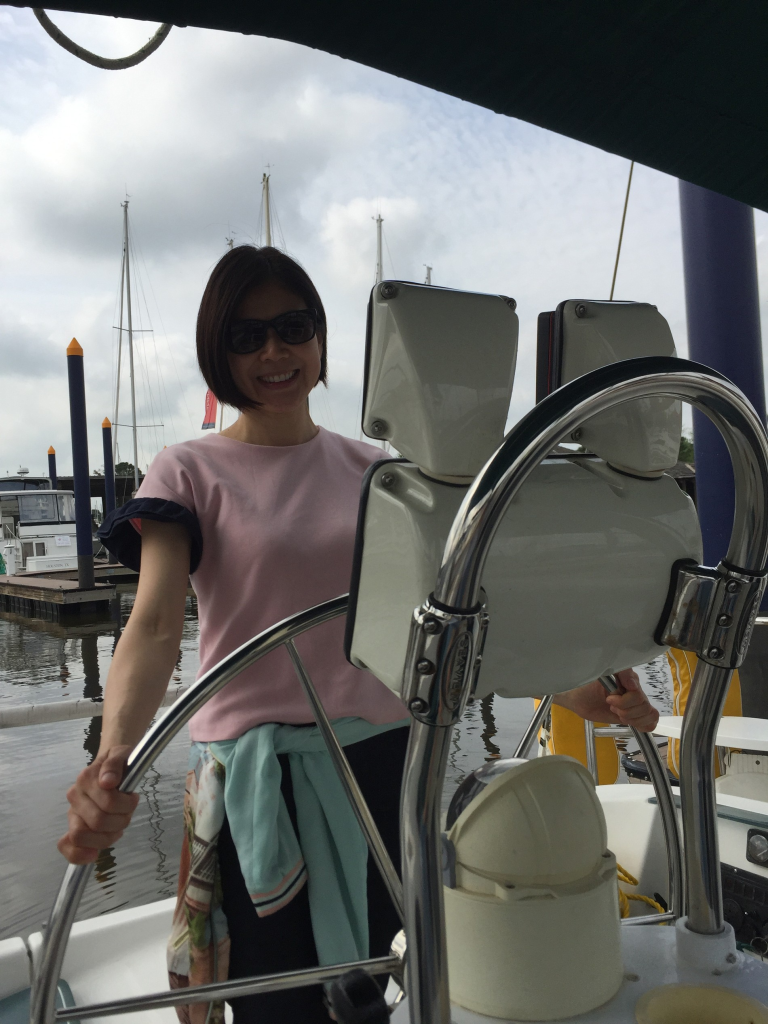
The weather checked out to be very calm with light winds, so we decided to head out anyway, with a total crew of 3, including skipper. But we would be slightly short-handed, as one of the crew was new and would have a hard time managing the lines. We discussed it and decided it was okay– no pressure, if it got too difficult to manage, we could just drop sail and cruise around under motor or just head back in to the marina early.
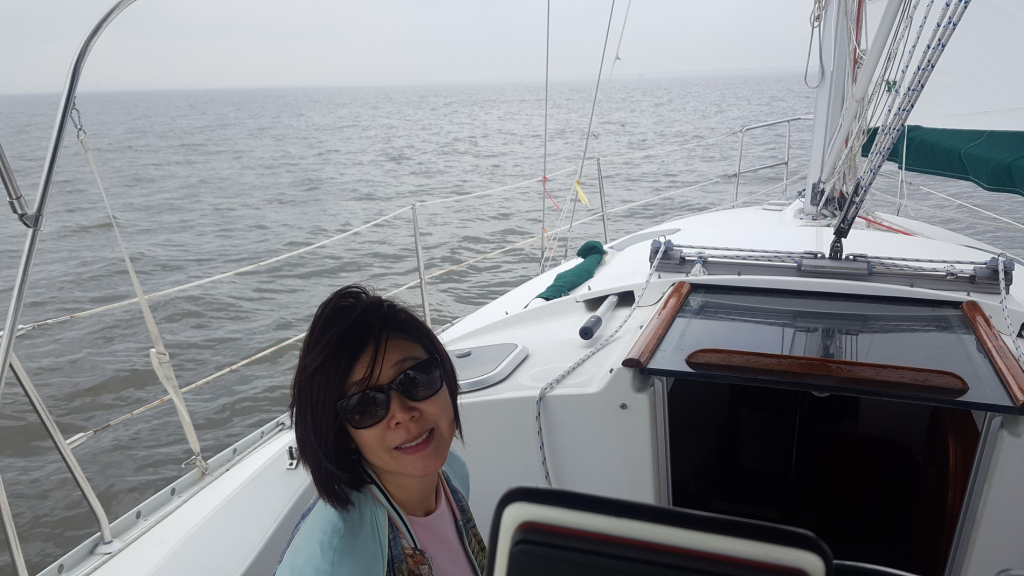
The sky was very overcast, so it was not a very happy day for a California boy, but it was not cold so we were in good spirits as we motored out into Galveston Bay. Once out of the channel, raising sail was simple enough…with the mainsail up we were hitting an impressive 0.8 knots 🙂 After a few minutes at that, we managed to get up to about 2-3 knots once the headsail (jib) was rolled out. This was actually not a bad cruising speed, because I don’t think we would have cleanly pulled off multiple tacking maneuvers with just me at the helm and one crew member on the lines.
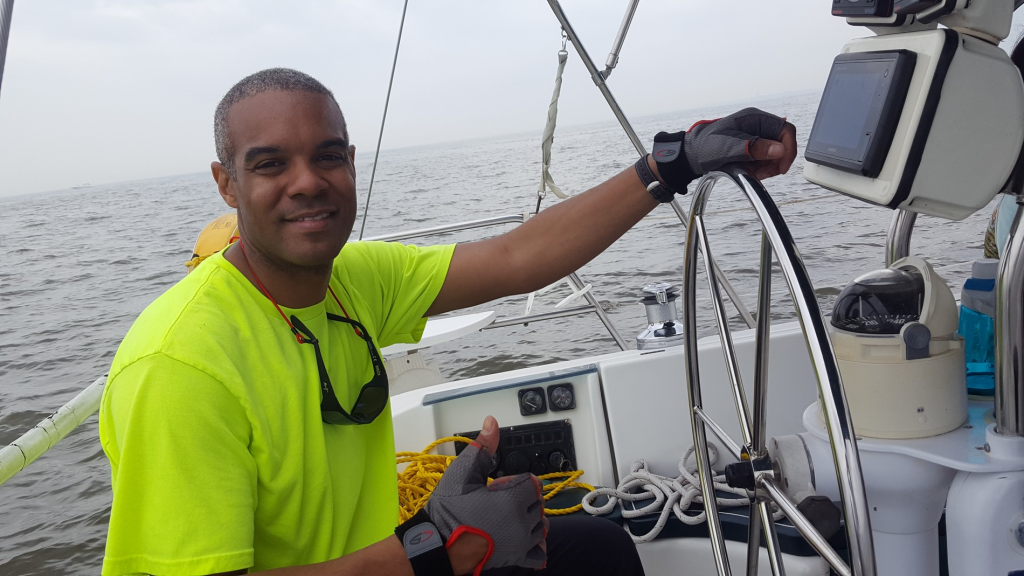
In fact it was good that we were taking it easy, because after not too long my able-bodied 1st mate caught some light seasickness. After an hour on the water, the wind began to pick up slightly, such that we could have probably kicked it up to 6 knots or so upwind if we trimmed the sails in tight. But this was to be a day of easy cruising, to make sure the crew stayed comfy and recovered in calm.
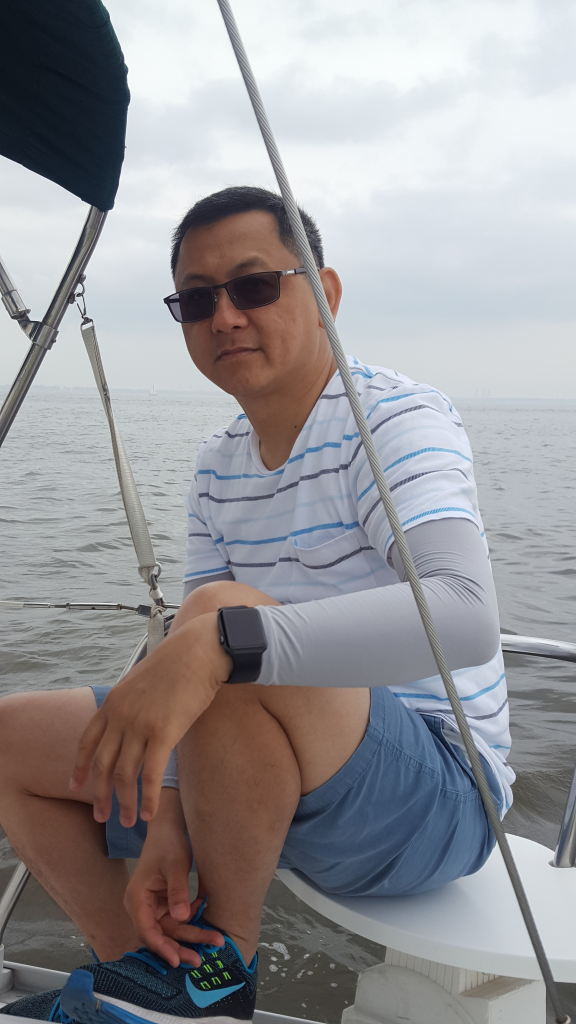
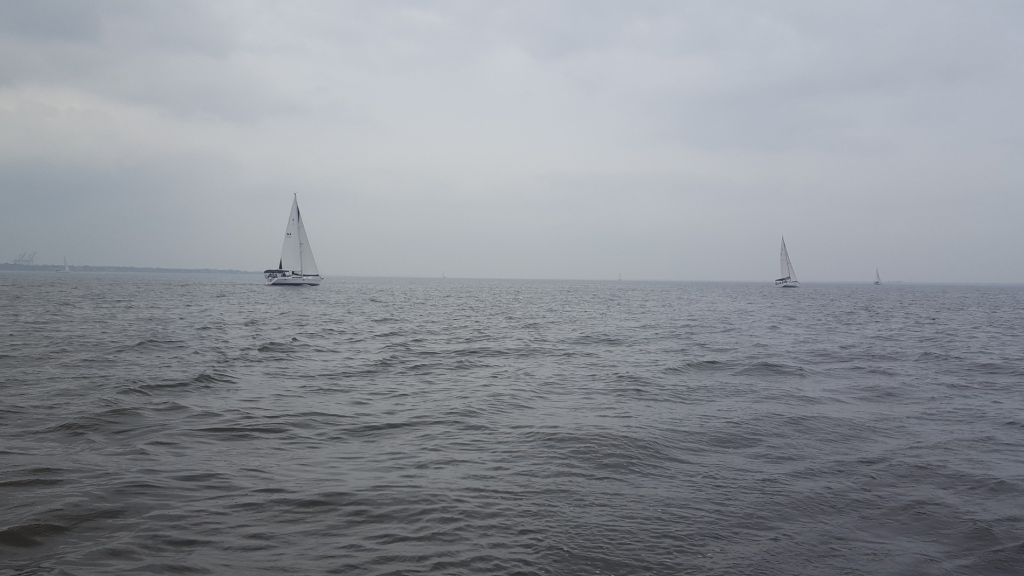
I was surprised to see a lot of sailboats out on the water, since the weather was not the greatest. I would guess they were all a bit like us, anxious to get back out on the water now that the weather cleared up a bit. After an hour or so further, we decided to call it quits and head back in to the Marina. Dropping sail was simple, because on this Beneteau 321 the sail cover is on lazyjacks, and so it does a sort of auto-furling of the sail automatically as it comes down into the cover.
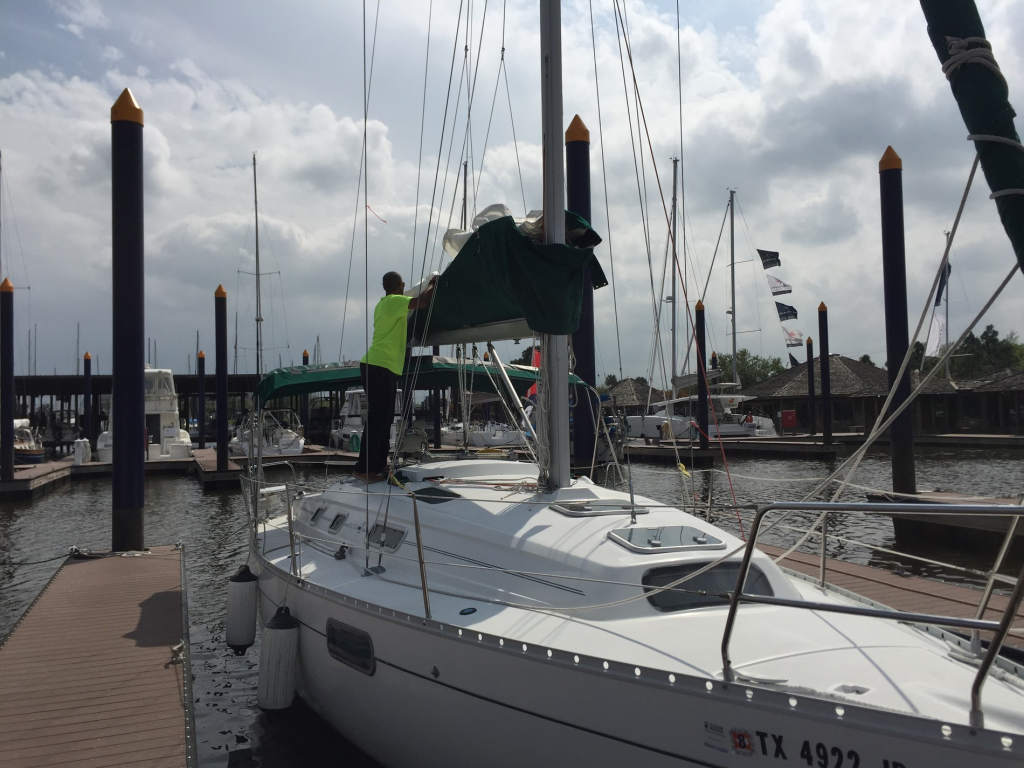
The docking report: fake it till you make it! I steered us back into the slip…but I overshot it, so after a quick reverse and re-try, the boat was aimed perfectly for the next slip over. So I pretended that I thought I was in the right slip, and all thought I did a great job parking. I eventually backed out and went back in to the assigned slip, also with no issue. So it was quite the successful fake-out, if I may say so myself. In any case, the boat did not rub against any part of the slip– so a successful docking in my book.
All in all it was a very calm sail. The more I go out, the more comfortable it is to handle all of the standard tasks — setting the jib, dropping sail, docking, etc. Okay maybe I can use a bit more practice on the docking…but that is why we’re out here! Skipper Joel out.
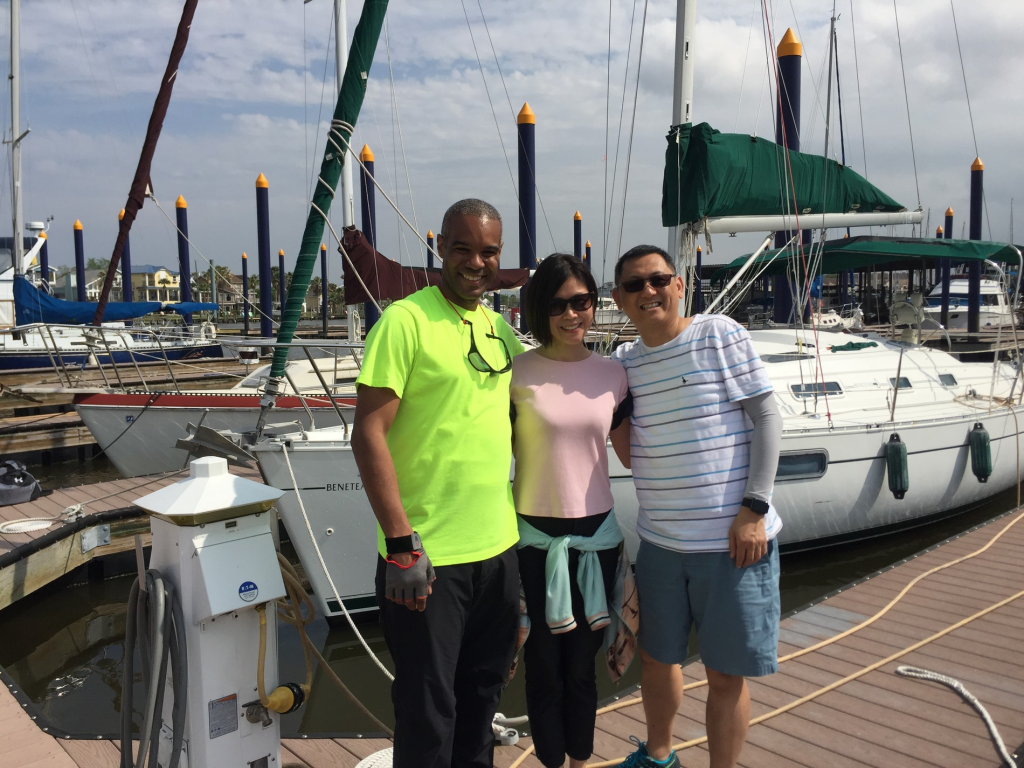
Click here to see additional pictures from the excursion. (Contact Joel for the password)